Make Art From Waste: Remarkable Upcycling Ideas for Your Next Project
Do you want to reduce your ecological footprint and create stunning art at the same time? Discover how to make art from waste through creative upcycling ideas. Not only are you helping the environment by diverting materials from landfills, but you're also expressing individuality and innovative spirit with every upcycled artwork.
Why Make Art from Waste?
In a world overwhelmed by disposable products, crafting art from waste has become more than just a trend--it's a movement. Upcycling, or transforming discarded materials into beautiful or useful items, reduces environmental impact and provides endless creative possibilities. By choosing to make art from waste, you're joining a worldwide effort to promote sustainability, responsible consumption, and innovation.
Benefits of Upcycling Waste into Art
- Reduces landfill waste: Every item you upcycle is one less item contributing to pollution and overflowing landfills.
- Lowers resource consumption: Upcycling extends the life of materials, decreasing the demand for new raw resources.
- Cost-effective: Many upcycled art projects require only tools and your imagination, as most supplies are free or inexpensive waste materials.
- Unique creations: Every upcycled art piece is a one-of-a-kind statement that can't be replicated.
- Raises awareness: Art made from waste is a powerful medium to communicate environmental issues and inspire others.
What Materials Can Be Upcycled Into Art?
What's considered 'waste' can depend on your perspective. Many common household and industrial items can be transformed into upcycled art. Get creative with materials like:
- Plastic bottles and containers
- Aluminum cans and metal scraps
- Old newspapers, magazines, and books
- Cardboard, packaging, and paper rolls
- Glass jars and bottles
- Textiles: fabric scraps, old clothes, socks, and jeans
- Wood pallets, branches, and broken furniture
- Electronic waste (e-waste), such as circuit boards and cables
- Used tires and rubber
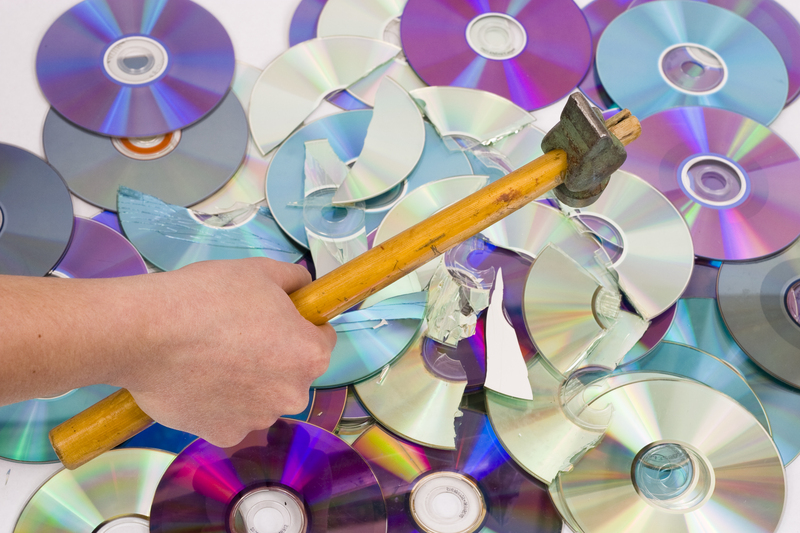
- Miscellaneous items: buttons, bottle caps, CDs, shells, and more
The only limit is your imagination!
Remarkable Upcycling Ideas to Make Art from Waste
Ready to get inspired? The following upcycling art project ideas will help you turn trash into stunning treasures. These ideas are perfect for all skill levels and can be adapted for children, adults, teachers, and community projects.
1. Plastic Bottle Sculptures
Don't toss out those empty soda and water bottles! Use them to craft mesmerizing sculptures--flowers, animals, geometric structures, or modern installations. Cut the bottles, paint them in vibrant colors, and assemble using wires or glue. Plastic bottles are lightweight and easy to shape, making them ideal for both indoor and outdoor art.
Tips for Working with Plastic Bottles
- Use sharp scissors or craft knives for clean cuts.
- Acrylic paints work best on plastics but prime surfaces first for better adhesion.
- Glue guns or strong adhesives help construct durable pieces.
- Pro tip: Experiment with heating plastic carefully (with adult supervision) to create 3D effects!
2. Can Art: Aluminum and Tin Masterpieces
Aluminum cans are wonderful for upcycling. Cut, flatten, fold, or emboss them to create wall hangings, metal art, lanterns, or wind chimes. The shiny material catches the eye and makes bold statement pieces. Combine various can colors or paint them for extra flair.
Can Art Ideas
- Embossed wall panels for home decor
- Colorful windchimes made by stringing together can pieces and bottle caps
- Miniature sculptures or jewelry using strips of tin
3. Newspaper and Magazine Collages
Paper is one of the most versatile upcycling materials. Create upcycled collages using vibrant magazine pages, old newspapers, and even packaging inserts. Design cityscapes, portraits, or abstract art by cutting or tearing paper and layering pieces on canvas or cardboard.
4. Cardboard Creations
From milk cartons to shipping boxes, cardboard is everywhere. Transform it into 3D models, dioramas, or even functional furniture. Use paint, fabric, or paper to enhance your pieces. Cardboard art is perfect for both kids' craft projects and sophisticated adult designs.
5. Textile Art: Fabric Scraps and Old Clothes
Repurpose textile waste into beautiful tapestries, patchwork, or textile sculptures. Sew together old t-shirts, jeans, or socks to create homemade pillows, wall hangings, or even quilts. Embroidery and embellishments add a unique, personalized touch.
- Rag rugs made by braiding or weaving fabric strips
- Artistic wall tapestries
- Decorative cushion covers from denim jeans
6. Glass Bottle and Jar Art
Give glass new life by painting or mosaicking old bottles and jars. Make unique vases, lamps, or candle holders. Clear glass works well for light installations or stained-glass effects by applying translucent paints or gluing on colored paper.
7. Wood Pallet and Scrap Wood Projects
Old pallets and broken furniture are upcycling goldmines. Sand and reassemble wood into functional art like shelves, plant stands, or frames. For sculptural work, piece together driftwood or sticks to form animals or abstract shapes.
- DIY wall art using pallet wood as canvas
- Birdhouses or garden planters from scrap timber
8. E-Waste Innovations
With the rapid pace of technology, e-waste is a growing problem. Artists have turned wires, circuit boards, CDs, and old computer parts into futuristic artwork. Consider making clock faces, jewelry, or robot sculptures with discarded electronics.
9. Tire Art and Garden Furniture
Used tires are problematic for landfills but perfect for creative projects. Paint and stack tires for garden seating, colorful planters, or whimsical playground sculptures. Combine with other scrap materials to build statement pieces.
10. Miscellaneous: Bottle Caps, Buttons, CDs and More
- Make mosaics or murals with bottle caps and buttons
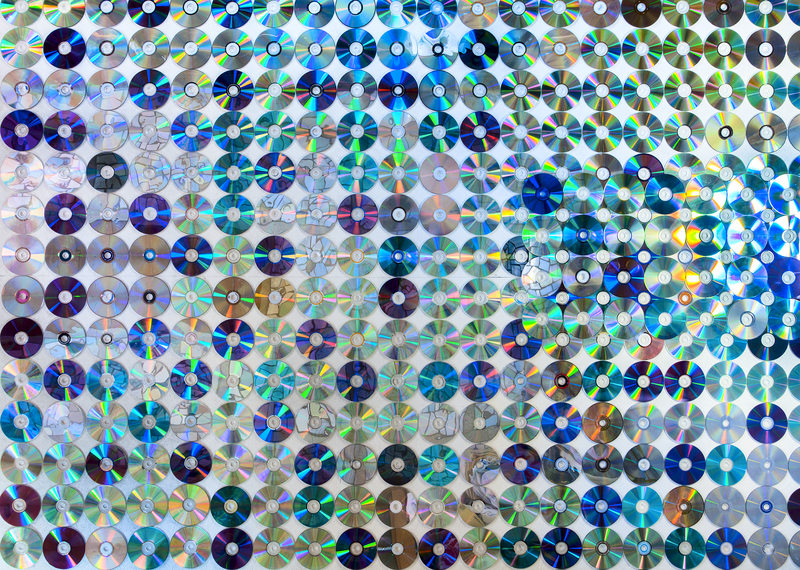
- Craft wind spinners and mobiles with old CDs and DVDs
- Build picture frames or wall clocks decorated with these small items
How to Get Started with Waste Art Projects
Step 1: Gather Materials
Begin by collecting recyclable waste at home, from neighbors, or your workplace. Clean and sort materials to ensure they're safe for handling. Don't forget local recycling centers or schools--they often have discarded materials to spare.
Step 2: Find Inspiration
Search for upcycling inspirations online on platforms like Pinterest and Instagram under hashtags like #UpcycleArt or #ArtFromWaste. Visit art galleries, community centers, or environmental initiatives for ideas.
Step 3: Plan Your Artwork
Decide the scope and purpose of your waste art project. Will it be functional, sculptural, or decorative? Sketch your ideas, select colors and textures, and determine which tools you'll need. Simpler projects might just need scissors and glue, while others may require drills, saws, or sewing machines.
Step 4: Start Creating!
- Work in a well-ventilated area, especially if using adhesives or paints.
- Practice safe handling of sharp and electrical materials.
- Get help or supervision for children's projects.
- Take photos at every stage to document your progress and share online!
Tips for Successful Upcycle Art Projects
- Clean and Dry: Always clean waste items, as dirt or grease can affect paint, glue, and safety.
- Experiment: Mix and match materials to discover new textures and effects.
- Use Eco-Friendly Supplies: Try natural paints, biodegradable glues, or recycled embellishments to keep your project as green as possible.
- Get Inspired by Nature: Many upcycled masterpieces are inspired by organic forms, patterns, and colors in nature.
- Collaborate: Community or group projects amplify the fun and impact of making art from waste.
The Environmental Impact and Social Meaning of Upcycled Art
Creating art from waste materials isn't just a craft--it's a conversation. Every piece you make or share raises awareness of the world's waste problem and showcases the positive change we can achieve through creativity. Community upcycling projects can unite people and neighbors, transforming neglected spaces and sparking discussions about sustainability.
Many contemporary artists and activists use recycled art as a form of protest or education, highlighting marine pollution, plastic dependency, or e-waste hazards. Why not join this global movement and turn your next project into a force for good?
Showcasing and Selling Your Upcycled Art
With growing interest in eco-friendly products and sustainability, upcycled art has commercial appeal, too!
- Display your creations at local fairs, schools, or coffee shops.
- Sell your pieces online on platforms like Etsy or eBay--highlight the story and environmental value.
- Organize or participate in community workshops, exhibitions, or art competitions on sustainable themes.
- Donate upcycle art pieces to charities or community centers to inspire wider change.
FAQs About Making Art From Waste
Q1: Why is creating art from waste important?
Upcycled art reduces landfill pressure, encourages responsible use of resources, and inspires creative problem solving. It's a powerful way to turn environmental challenges into visually engaging solutions.
Q2: Are upcycled art projects suitable for children?
Absolutely! With proper supervision, children can use safe waste like paper, cardboard, and textiles for fun, educational crafts that teach sustainability and creativity.
Q3: Can upcycled art be durable?
With the right choice of materials and finishing techniques, waste art can be both long-lasting and functional.
Q4: Where can I find inspiration for my projects?
Look at online galleries, eco-art competitions, Pinterest boards, and social media hashtags like #EcoArt, #RecycledArt, and #UpcycleDesign.
Your Next Upcycle Art Adventure Awaits!
Make art from waste and let your creativity shine while you help the planet. Whether you choose simple bottle cap mosaics or ambitious e-waste sculptures, your efforts matter. Your next upcycled masterpiece isn't just about decoration--it's about making a positive impact and inspiring others to view 'waste' in a brand new light.
So, gather your recyclables, unleash your imagination, and transform trash into remarkable upcycled art--the planet (and your creative soul) will thank you!
