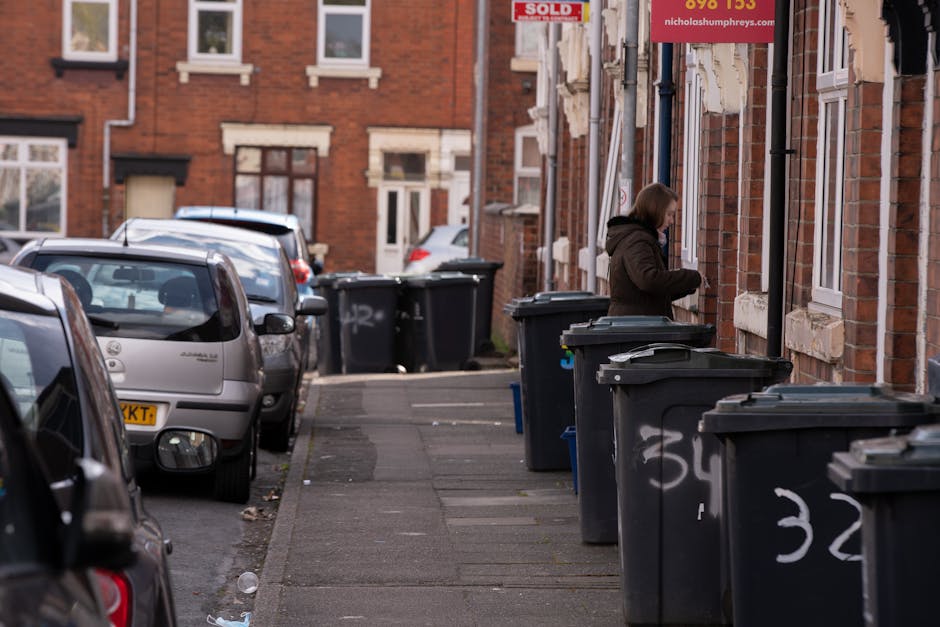
Queens Park estate rubbish collection guide North West London
If you live in Queens Park, manage a flat block, or you are just trying to clear a stubborn pile of waste before it turns into a bigger headache, this guide is for you. The Queens Park estate rubbish collection guide North West London below explains how collections typically work, what to do with bulky items, how to avoid common mistakes, and when a professional service makes life much easier. Truth be told, waste problems tend to look small right up until they are blocking a hallway, cluttering a garden, or sitting by the bins for one more night than they should.
Queens Park is one of those North West London areas where homes, estates, shared entrances, and busy streets all create slightly different rubbish challenges. A single wrong move can mean missed collections, unhappy neighbours, or items left out in the rain. So let's make it simple, practical, and useful. You will find local-minded advice, a clear step-by-step approach, and a sensible comparison of options, including when services like rubbish collection or broader waste removal may be the better fit.
Table of Contents
- Why Queens Park estate rubbish collection guide North West London Matters
- How Queens Park estate rubbish collection guide North West London Works
- Key Benefits and Practical Advantages
- Who This Is For and When It Makes Sense
- Step-by-Step Guidance
- Expert Tips for Better Results
- Common Mistakes to Avoid
- Tools, Resources and Recommendations
- Law, Compliance, Standards, or Best Practice
- Options, Methods, or Comparison Table
- Case Study or Real-World Example
- Practical Checklist
- Conclusion
- Frequently Asked Questions
Why Queens Park estate rubbish collection guide North West London Matters
Estate waste is not the same as a simple household bin day. In Queens Park, you might be dealing with shared bins, limited access, stairwells, parking restrictions, or a lot of different people using the same collection point. That mix creates friction. It only takes one overflowing bin bay or one sofa dumped in the wrong place to make the whole area look messy.
This matters for three reasons. First, there is the obvious visual impact. Nobody enjoys stepping past a bag that has split open on a damp pavement. Second, there is hygiene. Food waste, broken packaging, and old furniture can attract pests or create smells, especially in warmer weather. Third, there is the practical side: if waste is left in a way that blocks access, residents, cleaners, or collection crews may not be able to do their job properly.
For estates in North West London, good rubbish handling is also about neighbourly respect. Shared living works best when everybody knows where waste should go, what should be separated, and when bulky items need to be arranged separately. Simple? In theory, yes. In reality, not always. Which is why a clear plan helps more than people expect.
Expert summary: the best rubbish collection approach in Queens Park is usually the one that matches your space, access, waste type, and timing. If you guess, you often pay twice: once in hassle and once in clean-up.
If you are dealing with a larger clear-out, it may also help to think beyond one-off bags. Services such as rubbish removal or rubbish clearance can save a surprising amount of time when the waste is mixed or bulky.
How Queens Park estate rubbish collection guide North West London Works
At a practical level, rubbish collection on or near an estate usually falls into one of a few patterns. Some residents use standard council-style household collections for everyday waste and recycling. Others need extra help for bulky items, end-of-tenancy clutter, garden waste, or one-off clearances. On estates, there is often a shared responsibility between residents, landlords, managing agents, and anyone arranging a clear-up.
The basics are straightforward:
- Sort the waste into clear categories where possible: general waste, recyclables, bulky items, and specialist items.
- Check access for bins, loading areas, stairwells, lift size, and parking.
- Match the waste type to the right collection method so you do not overload the wrong system.
- Set a time window that suits residents or tenants, especially in shared spaces.
- Keep walkways clear until collection happens.
That might sound basic, but in shared buildings the basics are what save the day. A little planning prevents those annoying scenes where bags are left outside "just for an hour" and then sit there until the weekend. You know the type.
For mixed household waste, a service that handles waste collection can be useful if you want a cleaner, simpler pickup process. For more general clear-outs, waste clearance and waste disposal are often the terms people use when they want everything gone in one go.
What usually gets collected on Queens Park estates
Typical estate rubbish includes food packaging, black bags, cardboard, old clothes, broken small items, and the occasional mystery box from a kitchen cupboard nobody wanted to open. It also includes bulky bits like a mattress, a wardrobe, or that sofa which has seen better decades. In some cases, garages, sheds, or communal storage rooms become the main source of waste, especially after a move or refurbishment.
If the job includes furniture, it is often worth looking at a dedicated furniture option rather than trying to bundle everything together. For example, furniture disposal can be the cleaner route when you need several items removed without damaging walls or lift doors along the way.
Key Benefits and Practical Advantages
Good rubbish collection is not just about "getting rid of stuff". It creates a smoother, calmer living environment. In a place like Queens Park, where streets and estates can be busy and tightly packed, the value shows up quickly.
- Cleaner shared areas: less visual clutter, fewer smells, and fewer bags left by mistake.
- Less resident conflict: clear systems reduce complaints about blocked bins or dumped items.
- Better use of space: you reclaim hallways, bin stores, gardens, and loading areas.
- Faster move-outs or refurbishments: ideal when a flat needs to be vacated, cleaned, or prepared for new occupants.
- Lower stress: once the waste is sorted and scheduled, the whole job feels manageable.
- Safer access: fewer trip hazards and less risk of items blocking emergency routes.
There is also a quieter benefit people do not always mention: momentum. Once rubbish starts leaving the property at a proper pace, the rest of the tidy-up becomes easier. Bags get sorted. Decisions get made. The atmosphere changes a bit.
That matters whether you are a tenant, landlord, facilities person, or homeowner. And if you are dealing with a property that needs more than a simple pick-up, a wider service like home clearance or house clearance can handle everything in a more orderly way.
Who This Is For and When It Makes Sense
This guide is useful for quite a few people, and not just people with a mountain of rubbish. You may need this approach if you are:
- living in a flat or estate in Queens Park with limited bin space
- moving out and need to remove household clutter fast
- managing rental turnover and want the property cleared properly
- dealing with bulky furniture after a delivery, renovation, or replacement
- sorting shared outdoor areas, basements, garages, or storage cupboards
- running a small office or mixed-use property nearby
- trying to avoid leaving waste in communal areas for too long
It also makes sense when the normal bin system is simply not enough. A few extra bags after a clear-out? Maybe manageable. A sofa, broken shelving, three boxes of mixed debris, and old carpet? Different story. That is where a specialist collection or clearance service becomes the sensible choice rather than the "nice to have" choice.
If the job is commercial rather than domestic, you might look at business waste or office clearance. They are useful when the waste comes from desks, packaging, files, or a small workspace rather than a household.
Step-by-Step Guidance
Here is a practical way to handle rubbish collection in Queens Park without making it harder than it needs to be. Keep it simple. That usually works best.
- Walk the space first. Look at what is actually there. Check the bin store, the hallway, cupboards, shed, loft, balcony, or loading area.
- Separate items by type. Put general rubbish, recyclables, bulky items, and anything delicate or sharp into different groups.
- Identify hazards. Broken glass, heavy objects, damp items, and anything that could leak need special care.
- Measure access points. Stairs, lifts, narrow corridors, and parking bays all affect how the job should be planned.
- Decide what can go in normal collections. Not everything needs a dedicated removal. A few bags may be fine in the usual system.
- Book or arrange the right service. If the waste is bulky, mixed, or time-sensitive, use a collection method that fits.
- Clear the route. Move bikes, mats, and loose items so the collection team can get through safely.
- Double-check the finish. Once the waste is gone, check corners, behind doors, and under shelving. Odd bits hide there. They always do.
A small but useful tip: take a quick photo before and after. It helps if you are coordinating with residents, tenants, or a managing agent, and it also makes it easier to confirm what was removed. Nothing fancy. Just a phone photo in decent light.
If the waste includes larger household items, you can often combine the clear-out with a more targeted service like garage clearance, flat clearance, or sofa removal. That can be much easier than trying to piece the job together item by item.
Expert Tips for Better Results
In our experience, the smoothest rubbish collections are rarely the ones with the biggest crew or the flashiest plan. They are the ones where someone took ten minutes to think ahead. A few good habits make all the difference.
- Book before the pile grows. Waste is easier to manage when it is still contained.
- Use clear labels. If you have multiple bags or items in a communal area, label what is for removal and what stays.
- Don't mix sharp or dirty items loosely. Wrap them securely and keep handlers safe.
- Check parking or loading options. In North West London, access can be the real challenge, not the waste itself.
- Think about neighbours. Early morning noise or blocked walkways can create avoidable friction.
- Match the service to the mess. A handful of bags is one thing; a full property clear-out is another.
One thing people often overlook is the timing. If you have cleaners, decorators, or movers coming in, schedule the waste removal so it happens before the final clean or immediately after the main move. That way you avoid dragging dust and debris through newly cleared spaces. Small detail, big difference.
And yes, sometimes a "quick tidy-up" becomes a full afternoon. That is just life in London, really. Better to plan for it than pretend it will be over in fifteen minutes.
Common Mistakes to Avoid
Some waste problems repeat because people make the same avoidable mistakes. Here are the big ones.
- Leaving rubbish in the wrong place: communal corridors and entrances should stay clear.
- Overfilling bags: overstuffed sacks split easily and make handling unsafe.
- Ignoring bulky items: furniture, mattresses, and timber offcuts usually need a separate plan.
- Mixing everything together: it slows down collection and can create sorting issues later.
- Forgetting access constraints: tight stairwells, lift restrictions, and permit parking can derail a job.
- Delaying too long: a small pile becomes a bigger one, and a bigger one becomes a neighbour issue.
Another common mistake is assuming that one collection method fits all. It rarely does. A standard domestic bin schedule may handle day-to-day waste, but it may not be the right answer after a clear-out, tenancy change, or refurb. That is where a more flexible service is useful.
To be fair, nobody wakes up excited to compare rubbish options. But a few minutes of planning can save you a very annoying week.
Tools, Resources and Recommendations
You do not need a truckload of equipment to manage estate waste properly. A few simple tools help:
- Heavy-duty bags for general waste and mixed refuse
- Gloves for handling sharp or dirty items
- Label stickers or marker pens for clear sorting
- Trolley or sack barrow for heavier items where access allows
- Measuring tape for checking furniture or bulky waste dimensions
- Basic cleaning supplies to tidy the space after removal
For larger jobs, it can help to review related services before you decide. For example, builders waste is useful for renovation debris, while garden clearance works better for soil, cuttings, branches, and outdoor clutter. If the issue is a cluttered shed or storage room, garage clearance may be the closest fit.
Location also matters. If you want a local service with a broader North West London reach, the North West London coverage page gives a useful sense of the area focus. And if you are trying to choose a service that fits a very local need, the Queens Park page is the most relevant place to start.
Law, Compliance, Standards, or Best Practice
Waste handling in the UK is not something to be casual about. You do not need to become a legal expert, but you should follow sensible best practice and avoid dumping, blocking access, or using unlicensed disposal routes. In estates and shared buildings, there can also be lease, management, or building rules about where waste can be stored and when it can be removed.
Best practice usually means:
- keeping fire escapes and communal routes clear
- separating waste where practical and safe
- not leaving loose items in shared areas
- using an appropriately run waste removal service for larger jobs
- making sure waste goes somewhere legitimate and traceable
If you are a landlord, agent, or estate manager, it is wise to set out simple waste instructions for residents and contractors. Not a giant policy nobody reads. Just clear rules. Where the bins are, what goes in them, and what happens to bulky items.
There is also a practical safety angle. Heavy lifting, broken furniture, and poorly packed waste can cause injuries. If an item is awkward or large, it is usually safer to treat it as a professional removal job rather than improvise with one reluctant friend and a pair of tired gloves.
Options, Methods, or Comparison Table
If you are deciding how to deal with rubbish in Queens Park, the right method depends on volume, access, timing, and waste type. Here is a simple comparison.
| Method | Best for | Pros | Limitations |
|---|---|---|---|
| Normal household bins | Everyday rubbish and recycling | Simple, familiar, low effort | Not suitable for bulky or large mixed waste |
| Estate or communal bins | Shared residential waste | Convenient for residents | Can overflow quickly if misused |
| Professional rubbish collection | Bagged waste, mixed loads, time-sensitive jobs | Fast, flexible, less lifting for you | Usually better for larger or special jobs |
| Furniture or bulky item removal | Sofas, wardrobes, mattresses, heavy items | Reduces damage risk and effort | Needs clearer planning and access checks |
| Full clearance service | Move-outs, hoarder-style clutter, estate clean-ups | Handles most of the work in one visit | More involved than a simple collection |
If you are only dealing with one item, a focused service may be enough. But when a flat, garage, or shared storage area is being emptied, broader services such as home clearance or office clearance often save time and reduce disruption.
Case Study or Real-World Example
Picture a typical Queens Park estate flat after a tenant move-out. There are three black bags, a broken desk chair, a small wardrobe panel, an old mattress, and a few random odds and ends from the back of a cupboard. Nothing dramatic on its own. But the flat is on an upper floor, the lift is narrow, and the bin store is already full.
Instead of trying to piece it all into normal collections over several days, the clearer option is to sort the waste first, identify the bulky items, and arrange a collection that can remove everything in one visit. The mattress and wardrobe panel need different handling from the bags, and the chair may be better treated as a furniture item rather than general waste.
What happens next is usually straightforward. The resident or managing agent opens access, the waste is loaded with care, and the flat is left ready for cleaning. No bags lingering in the hallway. No awkward weekend of "we'll sort it later." And, frankly, no one wants that.
We have seen this sort of scenario play out in all sorts of London properties: a quick flat turnover, a spring clear-out, a storage room full of forgotten bits, even a last-minute tidy before guests arrive. The clean result feels calm. Quiet, even. You notice it the moment you walk in.
Practical Checklist
Use this checklist before arranging rubbish collection in Queens Park:
- Confirm what type of waste you have
- Separate bulky items from general rubbish
- Check whether anything is sharp, heavy, or awkward
- Measure access points, stairways, or lift openings
- Decide whether normal collection is enough
- Book a suitable time to avoid resident disruption
- Clear walkways and loading areas
- Label items if multiple people are involved
- Keep children and pets away from the waste area
- Do a final sweep for loose items after collection
Quick takeaway: if the waste is simple, keep it simple. If it is mixed, bulky, or time-sensitive, choose a service that fits the job instead of forcing the wrong method.
Conclusion
A good Queens Park estate rubbish collection guide North West London is really about reducing stress, keeping shared spaces tidy, and making sensible choices before waste becomes a problem. The more you understand your waste type, access points, and timing, the easier the whole process becomes. That is true whether you are clearing a single flat, a shared storage space, or an entire estate area.
For many people, the key is not finding the most complicated solution. It is finding the right one. A bit of sorting, a bit of planning, and the right collection method can save a lot of unnecessary hassle. And once the clutter is gone, the whole place feels lighter somehow. More liveable. More like home.
If you are ready to deal with waste properly and want a local team approach, start with the service that best matches your load and your space. A smooth clearance is one of those small wins that really does change the day.
Get a free quote today and see how much you can save.
Frequently Asked Questions
What is the best rubbish collection option for a Queens Park estate?
It depends on the waste type and volume. Normal bins work for everyday rubbish, but bulky items, mixed clear-outs, or time-sensitive jobs are usually better handled by a dedicated collection or clearance service.
Can I put bulky items out with estate rubbish?
Usually not without checking first. Sofas, mattresses, wardrobes, and similar items often need separate arrangement because they can block access, exceed bin space, or require different handling.
How do I know whether I need rubbish removal or waste clearance?
If you are removing a few bags or a small amount of mixed waste, rubbish removal may be enough. If you need a fuller clear-out of a flat, garage, or storage space, waste clearance is often the better fit.
What should I do before booking a collection in Queens Park?
Sort the waste, check access, measure bulky items if needed, and decide what should be removed. A few minutes of preparation usually makes the job smoother and quicker.
Is there a difference between estate rubbish and regular household waste?
Yes. Estate waste often involves shared bins, communal access, and multiple households. That means timing, storage, and access rules matter more than they do for a single home.
Can I use a furniture disposal service for one item only?
Yes, if the item is bulky or awkward. A single sofa, bed frame, or wardrobe can be a very sensible reason to use furniture disposal rather than trying to move it yourself.
What happens if rubbish is left in a communal area too long?
It can create blocked access, smells, complaints, and safety issues. In some buildings, it can also breach management or lease rules, so it is best dealt with promptly.
Are garage clearance and house clearance the same thing?
Not quite. Garage clearance is aimed at stored tools, old boxes, and clutter in a garage or similar space. House clearance is broader and usually covers most or all contents of a property.
How can I avoid problems with neighbours during a collection?
Keep shared routes clear, choose a sensible time, and avoid leaving waste out early. Small courtesies matter a lot in communal living, especially in tighter North West London estates.
Do I need to sort waste before collection?
It helps a great deal. Sorting waste makes loading easier, avoids confusion, and can speed up the entire process. Even basic separation between bags, furniture, and special items is worthwhile.
What if I have waste from decorating or repairs?
That is often better treated as builders waste. Paint tins, plasterboard, timber, and packaging can need different handling from standard household rubbish.
How do I choose between a quick pickup and a full clearance?
Ask yourself how much time, lifting, and sorting you want to do. If the job is small and tidy, a quick pickup may be enough. If the space needs resetting from top to bottom, a full clearance usually makes more sense.
If you need help with a wider local job, services such as rubbish removal, flat clearance, and waste collection can all be useful depending on the scale of the task.